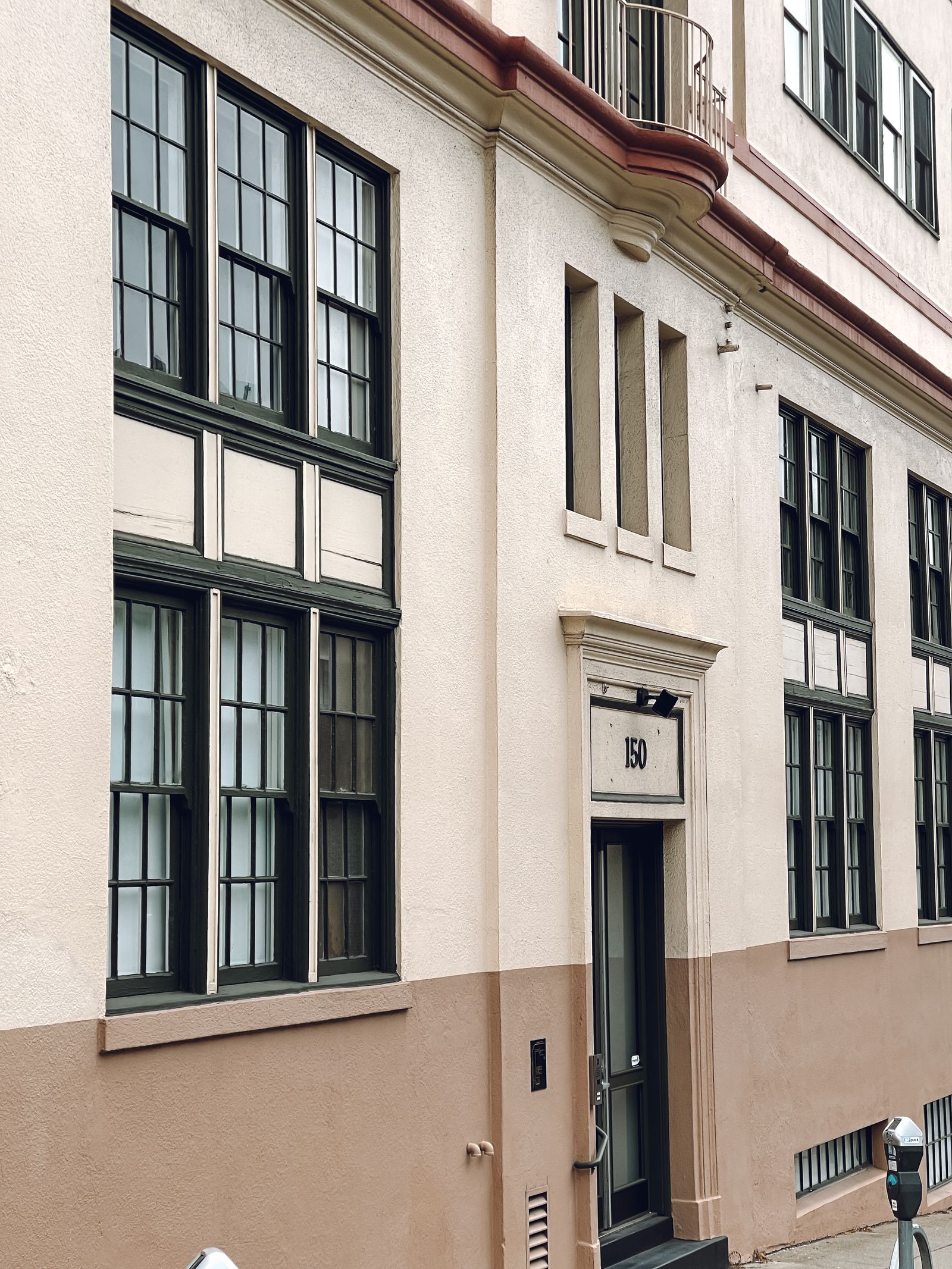
Soft washing is a chemistry-and-control decision
Soft washing is useful when the building has compatible surface growth, pollen, dust, or atmospheric film that can be loosened with an appropriate solution and rinse. The lower mechanical force can reduce the chance of driving water into joints or damaging a coating, but lower pressure does not eliminate risk. The chemistry still needs to match the material, dwell time must be controlled, and nearby landscaping, doors, air intakes, and storm inlets must be protected. A test area should be used when the coating, stain, or prior maintenance history is uncertain.
Austin heat, sun, dust, and periods of dry weather can change how a facade looks and how quickly a rinse dries. Some buildings collect organic growth in shaded areas while exposed walls show mineral or irrigation residue. A soft wash may improve one condition and leave another. A responsible scope states what the process is expected to address, what it will not remove, and what happens when the visible condition is actually coating failure, oxidation, rust, efflorescence, paint, adhesive, or damaged material.
- Match chemistry to brick, stucco, EIFS, concrete, coatings, and metal.
- Protect plants, entrances, air intakes, drains, and neighboring property.
- Use a test area when a stain or coating is not understood.
- Define the visual acceptance standard before starting broad work.
Pressure is not a universal shortcut
Pressure washing can be useful on selected durable surfaces where the force, distance, nozzle, flow, and operator control are appropriate. It can also etch masonry, remove paint, damage EIFS, drive water behind trim, strip sealants, scar soft stone, and push debris into joints. The fact that a surface looks hard from the parking lot does not establish that it can accept the same pressure as a concrete sidewalk. Window seals, expansion joints, painted details, signage, and concealed edges can be vulnerable even when the primary wall appears robust.
A pressure-wash request should therefore identify the surface and the exact cleaning objective. Removing loose soil from a ground-level concrete service area is different from chasing black streaks on an upper stucco wall. A property manager should ask for the planned pressure range, test process, exclusions, runoff controls, and protection steps. If the vendor cannot describe those decisions, the method has not been scoped. The most reliable answer may be soft washing, hand detail, a contained rinse, a lift, or no work until a facade professional reviews the condition.
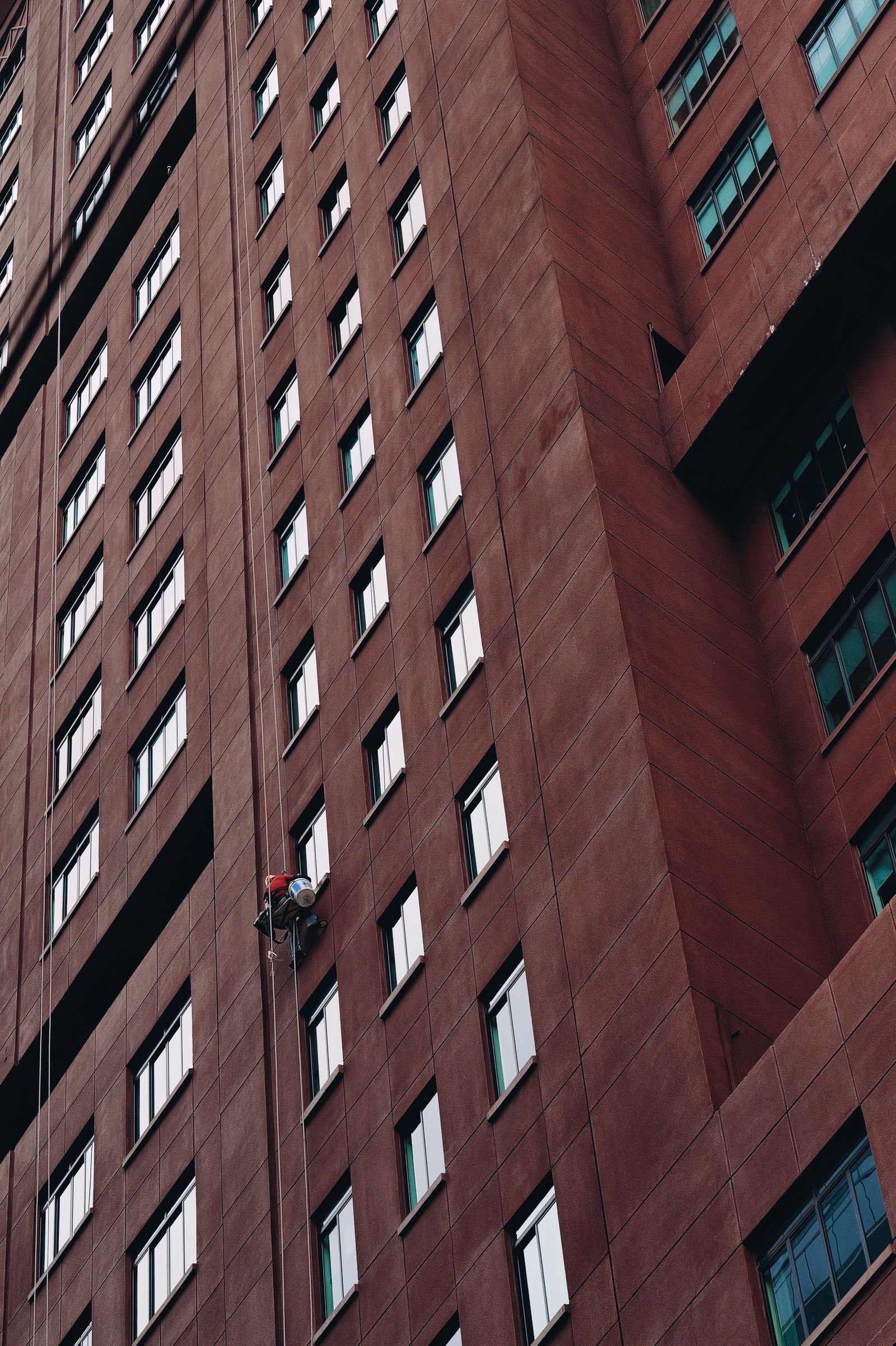
Austin access changes the method comparison
The same cleaning method can be practical at one Austin property and disruptive at another. A downtown building may have sidewalks, rideshare movement, loading, and limited staging. A Domain office or retail campus may offer more room but still have occupied entries, landscaping, parking circulation, and shared public routes. South Congress properties may have storefront displays and pedestrian traffic directly below the facade. A drone can reduce lift repositioning on a broad upper zone, but it still needs launch space, water delivery, visibility, recovery, and a crew protecting the ground area.
A lift may be the better answer where direct contact is needed, where a small area needs detailed treatment, or where the property already has a safe setup point. A hybrid plan can assign broad rinsing to one method and entrance, canopy, and stubborn-deposit work to another. The quote should compare the complete operation, including hoses, barriers, observers, water, runoff, setup, and handback. Reach alone is not a sufficient reason to choose an access method.
Water conservation and runoff belong in the scope
Austin water planning should be treated as a design constraint, not a footnote. The team should confirm supply, flow, hose routing, recovery, drainage, and any current restrictions that may affect the proposed date or process. A low-pressure method may use less water in some conditions, but the total volume still depends on surface size, dwell, rinse, equipment, and how much rework is needed. A pressure washer can move more soil quickly and may also create a larger runoff-control problem if the site is not prepared.
Map storm inlets, slopes, low points, doors, air intakes, landscaping, parking, and neighboring property before applying water. Austin Water and local stormwater guidance should be checked for current requirements, while the site plan should address the actual receiving environment. A storm arriving during service, a changed wind direction, or an unexpected drain path can make the original method unsuitable. The crew needs a clear pause decision and a way to leave the property safe when the weather or water path changes.
- Confirm current water-use and discharge requirements for the property.
- Map inlets, drains, slopes, landscaping, doors, and public routes.
- Compare total water and recovery needs, not only machine pressure.
- Build weather pauses and a safe handback into the schedule.
Separate cleaning from repair and inspection
A dark streak, failed coating, open joint, leak, or cracked panel may not be a cleaning problem. Soft washing or pressure washing cannot establish structural safety, diagnose a facade assembly, or replace an inspection by a qualified professional. The crew can report an observed condition and stop when the surface or attachment appears unsafe. If the property already has an engineer's report, repair sequence, or exclusion zone, the cleaning plan should follow it.
This boundary also protects the appearance result. Pressure used to disguise a damaged coating can create a larger patch or warranty issue. Chemistry used to remove a mark without understanding the material can leave a visible change. A quote should identify referral conditions, test areas, exclusions, and the next decision when the planned method does not produce the expected result. Honest scope is more valuable than a promise that every Austin facade can be restored by washing.
Use the first project to set recurring maintenance
A closeout record should show what was cleaned, the method used, representative photos, weather interruptions, remaining conditions, water and runoff controls, and any recommended follow-up. That information lets a building engineer compare soft washing, pressure work, and direct access on the next cycle. It also gives ownership a record of why a method was chosen for a particular elevation.
Austin properties may need different frequencies based on tree cover, pollen, traffic, shade, construction, irrigation, and tenant presentation. A seasonal service before spring pollen, a semiannual exterior wash, or a quarterly entrance program may be appropriate depending on the property. The schedule should be based on observed resoiling and the building's operating calendar, not a citywide formula. A method review at each renewal keeps the program aligned with material condition and water requirements.